
Throat Conditions
Throat Conditions
Throat
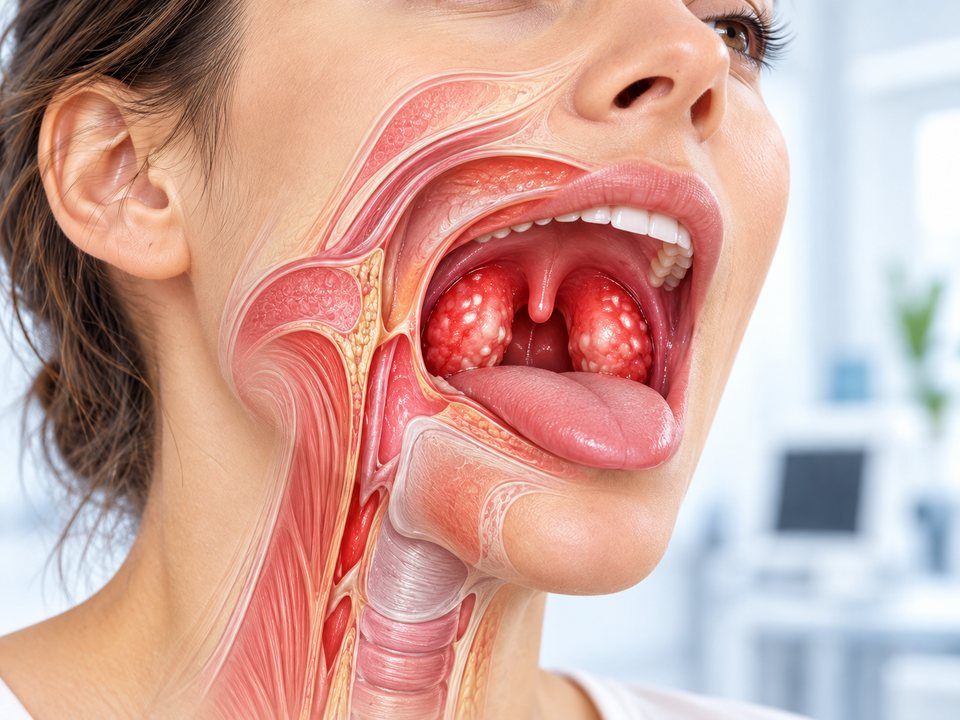
Throat and Tonsil Infections
01Acute Pharyngitis (Viral Sore Throat)
Acute inflammation of the back wall of the throat may cause a sore throat, burning, discomfort when swallowing and sometimes a mild fever. A cough, runny nose and voice changes accompanying a cold suggest a viral cause. Because most acute pharyngitis is caused by viruses, antibiotics are not needed for every sore throat.
The ENT examination assesses the appearance of the throat, how long symptoms have lasted and any other findings. For suitable patients, fluids, rest, pain relief and avoiding things that irritate the throat may be recommended. With high fever, worsening pain or long-lasting symptoms, bacterial infection and other causes are investigated.
02Strep Throat (Bacterial Throat Infection)
A sudden, marked sore throat, fever, difficulty swallowing and tender glands in the neck may be seen in group A streptococcal infection. The tonsils may be red or have white patches; however, it is not always possible to confirm a bacterial infection just by looking at the throat.
Depending on the symptoms and examination findings, a rapid strep test or throat culture may be needed. If the infection is confirmed, the doctor prescribes a suitable antibiotic; antibiotics are not used for viral infections. In children, whether a culture is needed after a negative rapid test is decided according to the clinical situation and guidelines.
03Chronic Pharyngitis and Persistent Throat Irritation
Dryness, a pricking or burning sensation, a feeling of something stuck in the throat or a constant need to clear the throat lasting for weeks may be related to chronic irritation. Cigarette smoke, dry air, mouth breathing, post-nasal drip, reflux and heavy voice use are among the factors that can make symptoms worse. Not every long-lasting sore throat is an infection.
The ENT assessment considers lifestyle, medicines, nasal breathing and reflux symptoms together. Treatment is planned according to the cause; room humidity, adequate fluids, avoiding irritants and suitable medical approaches may be considered. One-sided pain that does not go away or associated difficulty swallowing should be investigated separately.
04Acute Tonsillitis
Swelling and redness of the tonsils due to infection can cause fever, a sore throat, bad breath, tiredness and difficulty swallowing. Tonsillitis can be caused by viruses or bacteria. White patches on the tonsils alone are not a sign that antibiotics are needed.
The examination assesses how symptoms have progressed, the appearance of the tonsils and the lymph nodes in the neck. Where needed, a throat test identifies the cause. Supportive care for viral infections and suitable medication and follow-up for confirmed bacterial infections come first. Inability to breathe or swallow saliva, or rapidly increasing one-sided swelling, needs urgent assessment.
05Recurrent Tonsil Infections
Having several bouts of tonsillitis a year can cause pain, fever and difficulty swallowing that disrupt school, work and daily life. It is important to record how often attacks occur and whether each was really tonsillitis; frequent sore throats are sometimes confused with allergy, reflux or other causes of irritation.
The ENT consultation reviews the dates and length of attacks, medicines used, test results and the healthy periods in between. Rather than automatically starting antibiotics with each new complaint, treatment and follow-up are planned according to the nature of the infection. Selected cases that need surgical assessment are referred to an appropriate centre; surgery is not part of this service.
06Tonsil Stones (Tonsilloliths)
Cell debris and other material that builds up in the small pits and crevices of the tonsils can form small, white-yellow, foul-smelling stones over time. Bad breath, a feeling of something in the throat or a mild pricking sensation may occur. Most tonsil stones are not a serious condition and may not need treatment if they cause no symptoms.
The examination distinguishes tonsil stones from infection and other throat problems. Regular oral and dental care and saltwater gargles, where the person can do them properly, may be recommended; poking with sharp objects or using high-pressure water can cause tissue damage and bleeding. Severe pain, one-sided enlargement or recurrent bleeding need reassessment.
07Infectious Mononucleosis (Glandular Fever)
This viral infection, seen particularly in teenagers and young adults, can cause marked tiredness, fever, enlarged tonsils, a sore throat and swollen lymph nodes in the neck. White patches on the tonsils can sometimes be mistaken for bacterial tonsillitis. The tiredness may last longer than with an ordinary throat infection.
The ENT examination assesses the findings; blood tests and input from other specialties are arranged where needed. Treatment is mostly based on rest, fluids and symptom control; antibiotics do not treat the virus. Because of the risk of an enlarged spleen, medical advice on strenuous sport and contact activities should be followed.
08Oral and Throat Thrush (Oropharyngeal Candidiasis)
White patches on the tongue, inner cheeks and throat, a burning mouth, a change in taste and sometimes discomfort when swallowing may be seen in fungal infection. It can develop particularly in people using inhaled corticosteroids, denture wearers, those who have recently taken antibiotics or people with weakened immunity.
The examination assesses the appearance of the patches and possible predisposing factors. Where needed, suitable antifungal treatment and oral care can be arranged. Correct inhaler use, denture cleaning and control of underlying conditions can help reduce recurrences. Difficulty swallowing or widespread symptoms may need more detailed investigation.
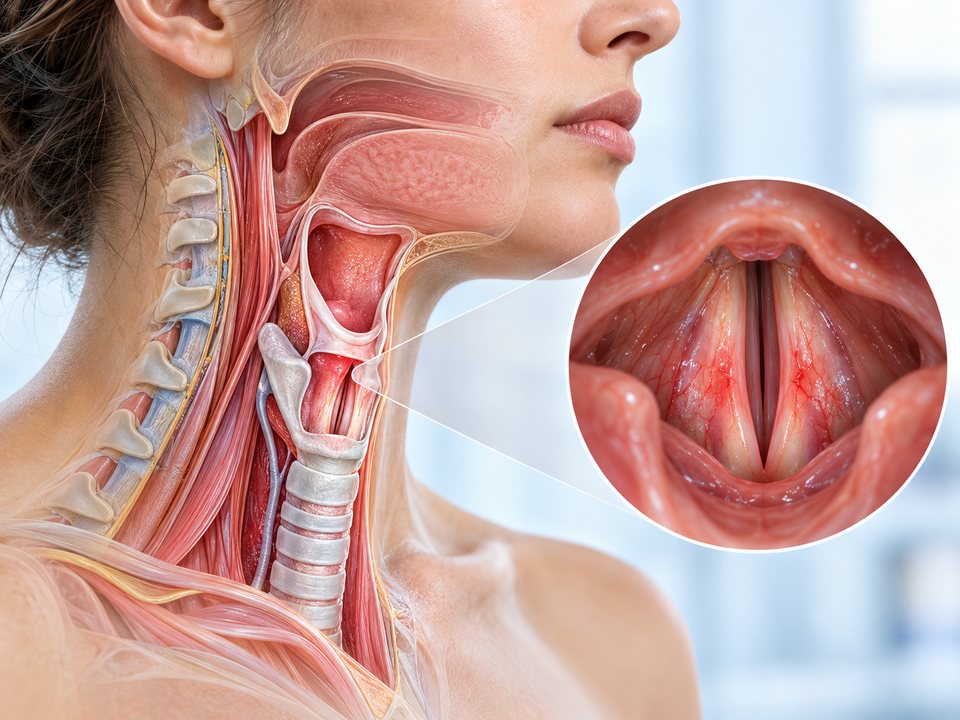
Vocal Cords, Hoarseness and Laryngeal Conditions
01Acute Laryngitis
Laryngitis is temporary inflammation or irritation of the larynx and vocal cords. After an upper respiratory infection, the voice may become cracked, hoarse or husky, and speaking may take effort. Straining the voice, cigarette smoke and other irritants can make symptoms worse.
The ENT assessment asks about when the complaint started, signs of infection and voice-use habits. In most acute cases, resting the voice, adequate fluids, avoiding irritants and suitable supportive treatment are enough. Unnecessary antibiotics or steroids are avoided. If hoarseness persists, the vocal cords may need to be examined.
02Chronic Laryngitis and Persistent Laryngeal Irritation
A long-lasting deep or husky voice, a need to clear the throat, coughing and discomfort when speaking may be related to ongoing irritation of the laryngeal tissues. Smoking, heavy voice use, certain environmental exposures and reflux are possible factors. A persistent change in the voice should not always be assumed to be a simple infection.
The ENT examination considers exposures, reflux symptoms and the way the voice is used together. For suitable patients, voice hygiene, avoiding irritants and cause-specific medication or rehabilitation can be planned. In hoarseness that does not go away, especially in smokers, direct examination of the larynx and vocal cords is important.
03Assessment of Hoarseness (Dysphonia)
A voice that is huskier, breathier, cracked or weaker than before can have many different causes, such as infection, incorrect voice use, reflux, vocal cord lesions or movement disorders. For teachers, call-centre staff and singers in particular, even a small change in the voice can cause functional problems.
The ENT doctor assesses how long the voice has been changed, any triggering events and accompanying symptoms. Examining the vocal cords is important for hoarseness that does not improve within four weeks or when there are risk signs requiring earlier investigation. Treatment is planned once the cause is known; where appropriate, referral to a speech and language therapist can be made.
04Vocal Cord Nodules
Benign thickenings that can develop where the vocal cords meet, due to heavy or incorrect voice use, are called vocal cord nodules. Hoarseness, difficulty reaching high notes, a voice that tires quickly and throat tension at the end of speaking may occur. They are more often noticed in people who use their voice heavily for work.
The problem is assessed by examination and, if needed, imaging of the vocal cords. Voice hygiene, changing voice-use habits and voice therapy with a speech and language therapist are often the first approach. Not every nodule needs surgery; how long treatment takes and how likely it is to succeed vary with the person and the features of the lesion.
05Assessment of Vocal Cord Polyps and Cysts
Polyps or cysts on the vocal cords can cause long-lasting hoarseness, voice breaks and extra effort when speaking. These lesions may have structural features different from nodules, and they cannot be told apart just by how the voice sounds.
The ENT assessment examines the structure of the vocal cords, the nature of the lesion and its effect on the voice. For suitable patients, reducing voice load and voice therapy can help; however, not every polyp or cyst disappears with therapy alone. Cases needing further investigation or a procedure are referred to the relevant centre; surgical procedures are not offered.
06Muscle Tension Dysphonia (Functional Dysphonia)
Excessive tightening of the throat and neck muscles when speaking can cause a strained voice, quick fatigue or hoarseness. This sometimes develops after heavy voice use, poor speaking technique or another voice problem. A functional voice disorder can occur even without a visible lump on the vocal cords.
The ENT examination distinguishes structural conditions from other voice disorders. Suitable voice exercises with a speech and language therapist, breath–voice coordination and voice hygiene play an important role in treatment. Habits that increase neck tension and associated reflux or irritants can also be addressed.
07Vocal Cord Movement Disorders (Paresis or Paralysis)
Reduced movement of one or both vocal cords can cause a breathy or weak voice, tiredness when speaking and sometimes coughing when drinking liquids. In a few rare cases, breathing may be affected. This may be linked to various nerve-related conditions or previous medical events.
The ENT assessment examines vocal cord movement and may request additional tests or joint assessment with other specialties for possible causes. In some patients, voice therapy and follow-up can help. People with shortness of breath or a significant swallowing-safety problem are referred to an appropriate centre without delay.
08Vocal Fatigue in Professional Voice Users
Teachers, trainers, lawyers, presenters, call-centre staff and singers may experience loss of vocal power, hoarseness and throat tension after long periods of speaking and loud voice use. Symptoms that worsen as the day goes on may call for an assessment of how the voice is produced and of working conditions.
The ENT examination assesses the health of the vocal cords, with referral for voice therapy where needed. Regular voice breaks, using a microphone, avoiding shouting, drinking enough fluids and reducing dry air or noise at work can help. A lasting change in the voice should not be dismissed as simple tiredness.
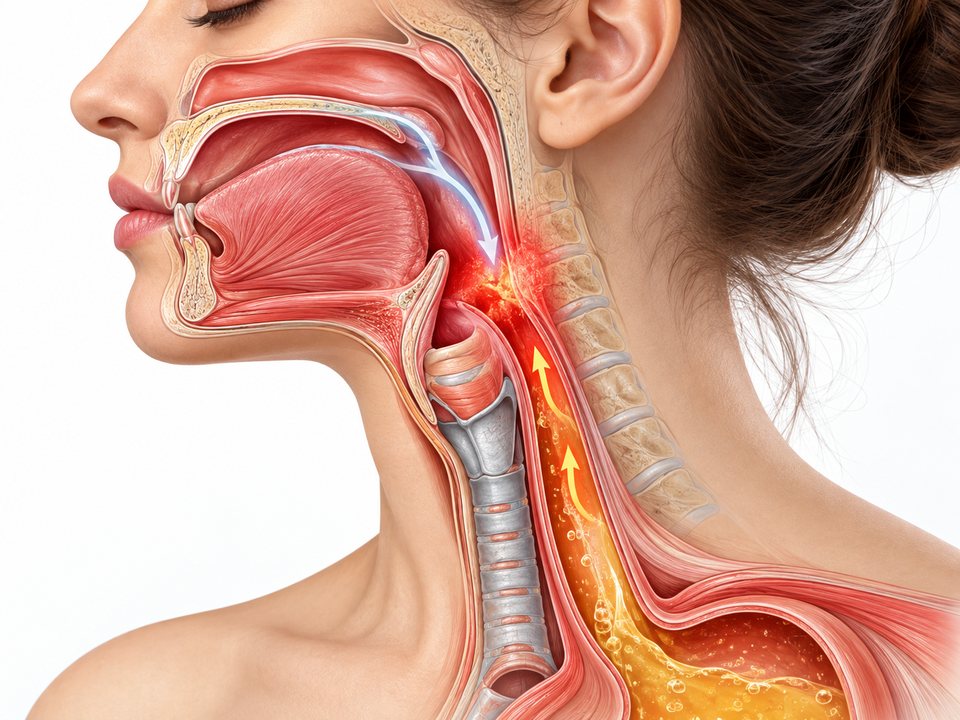
Swallowing Problems, Reflux and Throat Discomfort
01Difficulty Swallowing (Dysphagia)
Difficulty swallowing solids or liquids, food sticking in the throat, coughing or a wet-sounding voice after swallowing may suggest dysphagia. Swallowing requires the mouth, throat, larynx and oesophagus to work together; the problem may not have a single cause.
The ENT assessment looks at which foods cause symptoms and the risk of aspiration. If needed, a swallowing assessment, imaging, speech and language therapy or a gastroenterology review may be recommended. Treatment is tailored to the underlying cause. Being unable to swallow saliva, a sudden choking feeling or marked breathing problems are emergencies.
02Painful Swallowing (Odynophagia)
Sharp or burning pain when swallowing can be caused by pharyngitis, tonsillitis, mouth ulcers, fungal infection or reflux, among other things. Whether the pain is one-sided, steadily getting worse or accompanied by fever is important in the assessment.
The ENT examination assesses the mouth, tonsils and throat; infection tests or further investigations are planned where needed. Treatment targets the cause; pain relief and keeping up fluid intake can be supportive. Difficulty opening the mouth, a muffled 'hot potato' voice, drooling or difficulty breathing require urgent assessment for a serious infection.
03Lump-in-the-Throat Sensation (Globus)
Feeling as if something or a lump is stuck in the throat can occur without any real blockage. In some people the globus sensation varies during the day; tension in the throat muscles, reflux, post-nasal drip or frequent throat clearing can make it worse. It is important to distinguish being able to swallow food normally from true difficulty swallowing.
The ENT examination looks for associated symptoms and warning signs. When no serious cause is found, explanation, habits that do not strain the throat, adequate fluids and managing any related reflux or nasal problems can help. Persistent difficulty swallowing, weight loss, a lump in the neck or blood-stained saliva need detailed investigation.
04Laryngopharyngeal Reflux (Silent Reflux)
Stomach contents flowing back up to the throat and larynx may be linked to hoarseness, a need to clear the throat, a dry cough or a burning sensation in the throat. Some people have no classic heartburn at all. However, these symptoms alone do not confirm reflux; allergy, voice disorders and other causes can produce similar complaints.
The ENT examination considers the history, eating and sleeping habits and other throat problems together. For suitable patients, avoiding late meals, reducing personal triggers, weight management and selected medicines may be considered. If the diagnosis is unclear or symptoms persist, a gastroenterology assessment or further tests may be requested.
05Constant Throat Clearing and Tickle
A frequent need to clear the throat, a feeling of phlegm or a tickle may be related to post-nasal drip, dry air, reflux or irritation from voice use. Repeated throat clearing itself can further irritate the vocal cords and help keep the complaint going.
The ENT consultation asks when the complaint gets worse, which medicines are used and about nasal and voice symptoms. As well as treating the underlying cause, alternatives to throat clearing such as sipping water or swallowing and, where needed, voice therapy may be considered. Stubborn complaints, especially one-sided ones, should be investigated.
06Chronic Dry Cough and Laryngeal Hypersensitivity
A dry cough that lasts for weeks is not caused only by lung disease. Post-nasal drip, reflux, laryngeal sensitivity or certain medicines can trigger the cough reflex. The cough may come with hoarseness and a tickle in the throat; however, shortness of breath and chest symptoms should also be asked about.
The ENT examination assesses causes related to the upper airway. Where needed, investigation is carried out together with chest medicine or other specialties. Treatment is tailored to the cause found; the same medicine is not suitable for every chronic cough. Blood-stained phlegm, unexplained weight loss or marked shortness of breath need prompt assessment.
07Dry Throat and Burning from Irritation
Not drinking enough, dry indoor air, mouth breathing, tobacco smoke and certain medicines can cause a dry or burning throat. The complaint may be more noticeable on waking or after long periods of speaking. Dryness is not always related to an infection.
The ENT assessment reviews mouth and nasal breathing, medicines, living environment and accompanying symptoms. Keeping the room suitably humid, drinking enough fluids, managing nasal problems that cause mouth breathing and avoiding irritants may be considered. Persistent dry mouth may need referral to the relevant specialty for systemic causes.
08Throat Discomfort from Post-Nasal Drip
Noticeable mucus running back from the nose and sinuses can cause phlegm building up in the throat, frequent swallowing, coughing and a morning tickle. Allergy, upper respiratory infections and certain nasal conditions may accompany this complaint. A feeling of drip in the throat does not on its own mean sinusitis.
The ENT examination assesses nose, back-of-nose and throat symptoms together. Depending on the findings, allergy control, suitable nasal care or other treatments targeting the cause can be planned. Cutting down on habitual throat clearing can also help. Unusual signs such as one-sided or bloody discharge should be investigated separately.
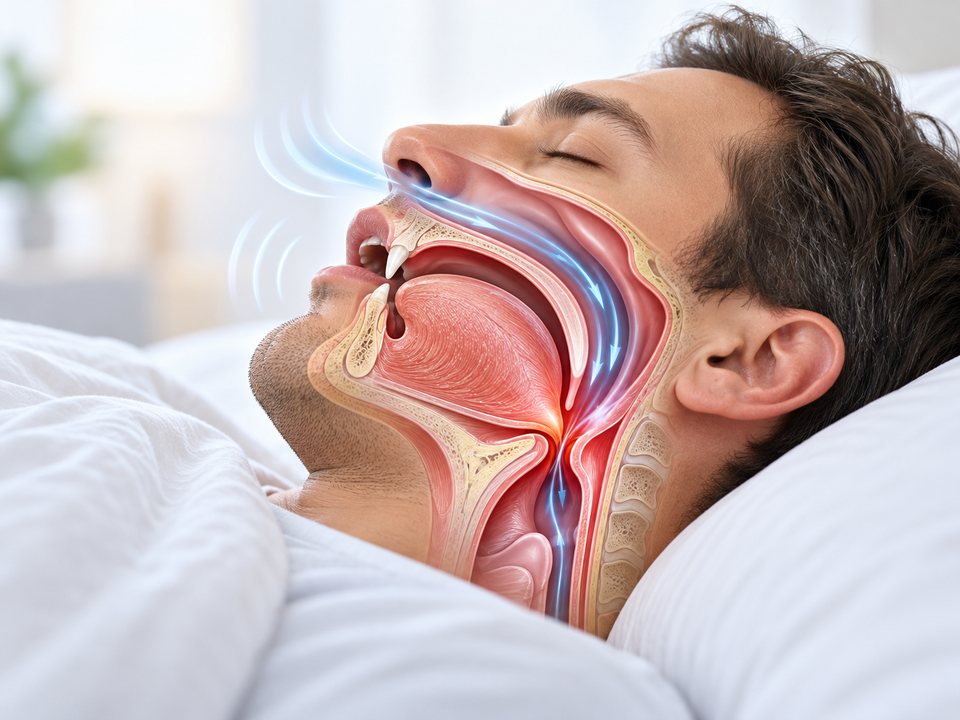
Snoring and Sleep-Related Breathing Problems
01Snoring Assessment and Non-Surgical Approaches
Snoring is the sound made by vibrating tissues in the upper airway during sleep. Sleeping on the back, excess weight, nasal congestion, alcohol and structural features of the upper airway can make snoring worse. Not all snoring is sleep apnoea; however, associated pauses in breathing and daytime sleepiness are important.
The ENT assessment examines the airway features of the nose, mouth and throat. For suitable patients, sleeping on the side, weight management, cutting down on alcohol, treating nasal congestion and improving sleep habits may be recommended. If there are signs suggesting apnoea, referral for a sleep study is made; reducing the sound of snoring does not mean that possible apnoea has been treated.
02Suspected Obstructive Sleep Apnoea
Repeated pauses in breathing during sleep, loud snoring, waking up choking and feeling unrefreshed in the morning may suggest obstructive sleep apnoea. Some people also have morning headaches, poor concentration and daytime drowsiness. The diagnosis cannot be made from how loud the snoring is.
The ENT examination assesses possible causes of narrowing in the airway; a suitable sleep study may need to be arranged for diagnosis. Depending on severity and associated problems, PAP/CPAP therapy, lifestyle changes or, in selected patients, oral appliances can be considered together with the relevant specialties. Surgical treatment is not offered.
03Nose and Throat Problems with CPAP/PAP Use
Some people using a positive airway pressure device for sleep apnoea may develop a dry mouth, nasal congestion, a dry throat or difficulty getting used to the mask. These complaints can make regular use of the device harder. However, stopping the device just because of discomfort can interrupt apnoea treatment.
The ENT assessment addresses nasal congestion, mouth breathing and problems affecting the upper airway. Suitable nasal care and adjusting mask and humidification options together with the sleep physician can help with adherence. Patients should not change the PAP pressure or device settings themselves; follow-up should be carried out by the team that prescribed the device.
04Snoring and Pauses in Breathing During Sleep in Children
In children, regular snoring, sleeping with the mouth open, restless sleep, pauses in breathing and daytime behaviour or attention changes may indicate narrowing of the upper airway during sleep. Enlarged tonsils or adenoids may play a part in some children; however, large tonsils do not always mean a sleep-related breathing disorder.
The ENT examination assesses the structures of the nose and throat, growth and development history and the family's observations. Where needed, a paediatric sleep study and collaboration with paediatrics and relevant centres are recommended. Associated causes such as allergy can be brought under control. Marked pauses in breathing, turning blue or severe breathing difficulty need urgent assessment.

Special Complaints in Children and Laryngeal Examination
01Tongue-Tie (Ankyloglossia) Assessment
Tissue under the tongue that restricts its movement may be linked to difficulty latching on or feeding effectively in some babies. In older children, complaints about tongue movement or certain speech sounds may arise; however, not every visible tongue-tie causes a problem and cutting it is not necessary for every child.
The ENT assessment looks not only at the appearance of the tie but also at how the tongue works and the real difficulties experienced. For babies, breastfeeding advice and help with feeding positions, and for suitable children, a speech and language therapy assessment may be recommended. Selected cases needing a procedure are referred to the relevant centre; tongue-tie release is not offered here as a service.
02Hoarseness and Vocal Cord Nodules in Children
In children, constant shouting, speaking loudly or frequent voice strain may over time be linked to voice fatigue and vocal cord nodules. A child's voice that has been hoarse for a long time, tires quickly or does not return to normal needs assessment. Not all hoarseness means nodules.
The ENT examination looks at infection, allergy and other vocal-cord-related causes. Where appropriate, the family is given advice on voice hygiene and the child is referred to a speech and language therapist who works with children. Reducing shouting and building healthier voice habits come first; surgical treatment is not part of this service.
03Assessing Croup (Viral Laryngotracheitis)
Croup is a condition linked to viral inflammation of the upper airway, especially in young children, that can cause a barking cough and hoarseness. A high-pitched sound when breathing in (stridor), chest wall pulling in or difficulty feeding may indicate more serious airway involvement.
With mild symptoms, appropriate medical assessment and monitoring of symptoms are important; any necessary medication is planned by the doctor according to the child's condition. If there is stridor at rest, fast or laboured breathing, turning blue, inability to swallow saliva or marked lethargy, go to the emergency department without waiting for a routine appointment.
04Examination of the Larynx and Vocal Cords
For persistent hoarseness, a feeling of something stuck in the throat, voice fatigue or certain swallowing and breathing complaints, direct examination of the larynx and vocal cords may be needed. The examination helps identify the source of the complaint and decide on suitable treatment or referral; it is not a treatment or an operation in itself.
After taking a history and carrying out a physical examination, the ENT specialist may, if needed, assess the movement and appearance of the vocal cords with suitable imaging methods. Whether methods such as flexible endoscopy, videolaryngoscopy or stroboscopy are available in the clinic should be confirmed with the doctor. If findings are suspicious, referral to an appropriate centre for further investigation is arranged.